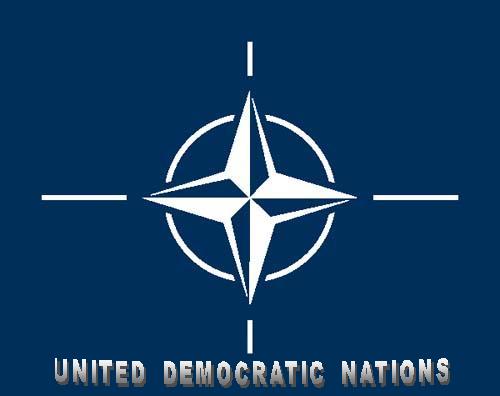
O Brasil não será convidado para este jogo!
English version.
A OTAN contra os jihadistas
por Daniel Pipes
Quando era secretário de Estado, Colin Powell certa vez definiu a Organização do Tratado do Atlântico Norte como “a maior e mais bem-sucedida aliança da história”. É difícil contestar essa definição, pois foi tal o sucesso da OTAN em conduzir e vencer a Guerra Fria, que sequer precisou lutar.
Mas hoje essa aliança tão importante vive o ápice do que José María Aznar, primeiro-ministro da Espanha entre 1996 e 2004, chama de “possivelmente a maior e mais séria crise de toda a sua história”. Um “clima de crise perpétua”, diz ele, cuja origem é a perda evidente de sua “raison d’être como organização, a falta de uma missão específica”.
Os motivos dessa crise são simples de explicar. De sua fundação em 1949 até o colapso da União Soviética em 1991, a OTAN foi o principal instrumento para a contenção do expansionismo soviético. Após derrotar a ameaça soviética, reformulou sua missão. Na década de 90, a OTAN tornou-se um veículo para o envio de forças voluntárias encarregadas de promover a segurança regional em lugares como a Bósnia e o Kosovo. E agora, depois do 11 de Setembro?
NATO: An Alliance for Freedom, um estudo curto, brilhante e de fácil aplicação publicado pelo instituto de Aznar, a Fundação de Análise e Estudos Sociais – FAES, revela que conter a União Soviética não era o objetivo fundamental da organização. A OTAN imbuíra-se, antes, do propósito mais positivo de “salvaguardar a liberdade, a herança e a civilização comuns aos povos [dos Estados membros], com base nos princípios da democracia, da liberdade individual e do Estado de Direito”.
A prova de que a missão da OTAN esteve sempre além de defender a democracia contra o comunismo tão-somente reside no fato de a organização ter abdicado do valor estratégico do território espanhol e sua força militar enquanto o país permaneceu sob o jugo do governo fascista de Francisco Franco. Apenas com a morte dele em 1975 e a democratização do governo, a Espanha é convidada a integrar a aliança em 1981.
Uma indicação de qual deveria ser o novo foco da OTAN surgiu no dia seguinte ao 11 de Setembro, quando a organização, pela primeira vez em seus cinqüenta e dois anos de história, invocou o artigo 5º. de seus estatutos, onde prevê que um ataque a um dos países membros é um ataque a todos eles. Assim, depois de uma década fazendo “guerras como assistência social”, a OTAN despertou abruptamente para a ameaça do radicalismo islâmico.
Aznar e a equipe da FAES analisam essa decisão crítica, afirmando que “o terrorismo islâmico é uma nova ameaça, cuja natureza global põe em risco a existência mesma dos signatários da OTAN”. Lembrando as ideologias totalitárias dos anos 30, eles advertem, com razão, que “deveríamos levar as ambições [islamistas] muito seriamente, por ridículas ou delirantes que pareçam”. Demonstrando verdadeira sagacidade, eles ressaltam que o terrorismo “é apenas a porção bélica de uma ofensiva muito mais ampla contra o mundo liberal e democrático”.
Logo, o objetivo da OTAN deve ser o de “combater o jihadismo islâmico e a proliferação de armas de destruição em massa especialmente, embora não exclusivamente, entre os grupos e os governos islâmicos”. Isso significa “colocar a guerra contra o jihadismo islâmico no centro da estratégia aliada” e que derrotá-lo será a “missão principal” da OTAN por longos anos.
Uma segunda recomendação essencial da OTAN: Uma Aliança para a Liberdade: que a OTAN convide à adesão plena países que sejam democracias liberais e também tenham capacidade e disposição para contribuir na guerra contra o jihadismo islâmico. O estudo enfatiza o ingresso de Israel na Aliança como “um passo extremamente importante”, e apóia a participação do Japão e da Austrália com status pleno. Além destes, eu proporia Taiwan, Coréia do Sul e Chile. Para encorajar outros Estados em situação difícil, o estudo sugere a condição de membro associado para países como a Colômbia e a Índia. Eu sugiro a inclusão do México e do Sri Lanka nessa lista.
Um tópico que a FAES não explicita, mas aborda indiretamente: a possibilidade de a OTAN substituir as Nações Unidas como o principal organismo internacional. À medida que a ONU desce de um ponto já baixo a profundidades ainda maiores, torna-se cada vez mais óbvio que, para se comportar de modo adulto, uma instituição mundial só deve reunir países democráticos. Uma nova organização pode ser criada do zero, claro, mas é mais simples, mais econômico e mais rápido construí-la sobre uma estrutura existente, sobretudo se de eficiência comprovada. A OTAN surge como a candidata natural, especialmente nos termos em que foi redefinida pela FAES.
Aznar e sua equipe desenvolveram o melhor plano já oferecido para combater o Islã radical. Os políticos estarão prontos para executá-lo?
 Daniel Pipes é um dos maiores especialistas em Oriente Médio, Islã e terrorismo islamista da atualidade. Historiador (Harvard), arabista, ex-professor (universidades de Chicago e Harvard; U.S. Naval War College), Pipes mantém seu próprio site e dirige o Middle East Forum, que concebeu junto com Al Wood e Amy Shargel — enquanto conversavam à mesa da cozinha de sua casa, na Filadélfia — e que hoje, dez anos mais tarde, tem escritórios em Boston, Cleveland e Nova York. Depois do MEF, vieram o Middle East Quartely, o Middle East Intelligence Bulletin e o Campus Watch, dos quais ele participa ativamente. Juntos, esses websites recebem mais de 300 mil visitantes por mês. Por fazer a distinção sistemática entre muçulmanos não-islamistas e extremistas islâmicos, Daniel Pipes tem sido alvo de ataques contundentes. A polêmica gerada por sua nomeação, em 2003, para o Institute of Peace pelo presidente George Bush apenas confirmou o quanto as idéias de Pipes incomodam as organizações islamistas e outros interessados em misturar muçulmanos e terrorismo. Daniel Pipes é autor de 12 livros, entre eles, Militant Islam Reaches America, Conspiracy, The Hidden Hand e Miniatures, coletânea lançada em 2003.
por Daniel Pipes
Quando era secretário de Estado, Colin Powell certa vez definiu a Organização do Tratado do Atlântico Norte como “a maior e mais bem-sucedida aliança da história”. É difícil contestar essa definição, pois foi tal o sucesso da OTAN em conduzir e vencer a Guerra Fria, que sequer precisou lutar.
Mas hoje essa aliança tão importante vive o ápice do que José María Aznar, primeiro-ministro da Espanha entre 1996 e 2004, chama de “possivelmente a maior e mais séria crise de toda a sua história”. Um “clima de crise perpétua”, diz ele, cuja origem é a perda evidente de sua “raison d’être como organização, a falta de uma missão específica”.
Os motivos dessa crise são simples de explicar. De sua fundação em 1949 até o colapso da União Soviética em 1991, a OTAN foi o principal instrumento para a contenção do expansionismo soviético. Após derrotar a ameaça soviética, reformulou sua missão. Na década de 90, a OTAN tornou-se um veículo para o envio de forças voluntárias encarregadas de promover a segurança regional em lugares como a Bósnia e o Kosovo. E agora, depois do 11 de Setembro?
NATO: An Alliance for Freedom, um estudo curto, brilhante e de fácil aplicação publicado pelo instituto de Aznar, a Fundação de Análise e Estudos Sociais – FAES, revela que conter a União Soviética não era o objetivo fundamental da organização. A OTAN imbuíra-se, antes, do propósito mais positivo de “salvaguardar a liberdade, a herança e a civilização comuns aos povos [dos Estados membros], com base nos princípios da democracia, da liberdade individual e do Estado de Direito”.
A prova de que a missão da OTAN esteve sempre além de defender a democracia contra o comunismo tão-somente reside no fato de a organização ter abdicado do valor estratégico do território espanhol e sua força militar enquanto o país permaneceu sob o jugo do governo fascista de Francisco Franco. Apenas com a morte dele em 1975 e a democratização do governo, a Espanha é convidada a integrar a aliança em 1981.
Uma indicação de qual deveria ser o novo foco da OTAN surgiu no dia seguinte ao 11 de Setembro, quando a organização, pela primeira vez em seus cinqüenta e dois anos de história, invocou o artigo 5º. de seus estatutos, onde prevê que um ataque a um dos países membros é um ataque a todos eles. Assim, depois de uma década fazendo “guerras como assistência social”, a OTAN despertou abruptamente para a ameaça do radicalismo islâmico.
Aznar e a equipe da FAES analisam essa decisão crítica, afirmando que “o terrorismo islâmico é uma nova ameaça, cuja natureza global põe em risco a existência mesma dos signatários da OTAN”. Lembrando as ideologias totalitárias dos anos 30, eles advertem, com razão, que “deveríamos levar as ambições [islamistas] muito seriamente, por ridículas ou delirantes que pareçam”. Demonstrando verdadeira sagacidade, eles ressaltam que o terrorismo “é apenas a porção bélica de uma ofensiva muito mais ampla contra o mundo liberal e democrático”.
Logo, o objetivo da OTAN deve ser o de “combater o jihadismo islâmico e a proliferação de armas de destruição em massa especialmente, embora não exclusivamente, entre os grupos e os governos islâmicos”. Isso significa “colocar a guerra contra o jihadismo islâmico no centro da estratégia aliada” e que derrotá-lo será a “missão principal” da OTAN por longos anos.
Uma segunda recomendação essencial da OTAN: Uma Aliança para a Liberdade: que a OTAN convide à adesão plena países que sejam democracias liberais e também tenham capacidade e disposição para contribuir na guerra contra o jihadismo islâmico. O estudo enfatiza o ingresso de Israel na Aliança como “um passo extremamente importante”, e apóia a participação do Japão e da Austrália com status pleno. Além destes, eu proporia Taiwan, Coréia do Sul e Chile. Para encorajar outros Estados em situação difícil, o estudo sugere a condição de membro associado para países como a Colômbia e a Índia. Eu sugiro a inclusão do México e do Sri Lanka nessa lista.
Um tópico que a FAES não explicita, mas aborda indiretamente: a possibilidade de a OTAN substituir as Nações Unidas como o principal organismo internacional. À medida que a ONU desce de um ponto já baixo a profundidades ainda maiores, torna-se cada vez mais óbvio que, para se comportar de modo adulto, uma instituição mundial só deve reunir países democráticos. Uma nova organização pode ser criada do zero, claro, mas é mais simples, mais econômico e mais rápido construí-la sobre uma estrutura existente, sobretudo se de eficiência comprovada. A OTAN surge como a candidata natural, especialmente nos termos em que foi redefinida pela FAES.
Aznar e sua equipe desenvolveram o melhor plano já oferecido para combater o Islã radical. Os políticos estarão prontos para executá-lo?
Daniel Pipes é um dos maiores especialistas em Oriente Médio, Islã e terrorismo islamista da atualidade. Historiador (Harvard), arabista, ex-professor (universidades de Chicago e Harvard; U.S. Naval War College), Pipes mantém seu próprio site e dirige o Middle East Forum, que concebeu junto com Al Wood e Amy Shargel — enquanto conversavam à mesa da cozinha de sua casa, na Filadélfia — e que hoje, dez anos mais tarde, tem escritórios em Boston, Cleveland e Nova York. Depois do MEF, vieram o Middle East Quartely, o Middle East Intelligence Bulletin e o Campus Watch, dos quais ele participa ativamente. Juntos, esses websites recebem mais de 300 mil visitantes por mês. Por fazer a distinção sistemática entre muçulmanos não-islamistas e extremistas islâmicos, Daniel Pipes tem sido alvo de ataques contundentes. A polêmica gerada por sua nomeação, em 2003, para o Institute of Peace pelo presidente George Bush apenas confirmou o quanto as idéias de Pipes incomodam as organizações islamistas e outros interessados em misturar muçulmanos e terrorismo. Daniel Pipes é autor de 12 livros, entre eles, Militant Islam Reaches America, Conspiracy, The Hidden Hand e Miniatures, coletânea lançada em 2003. Publicado no The New York Sun.
Terça-feira, 03 de outubro de 2006.
http://bootlead.blogspot.com
OTAN=ONDU